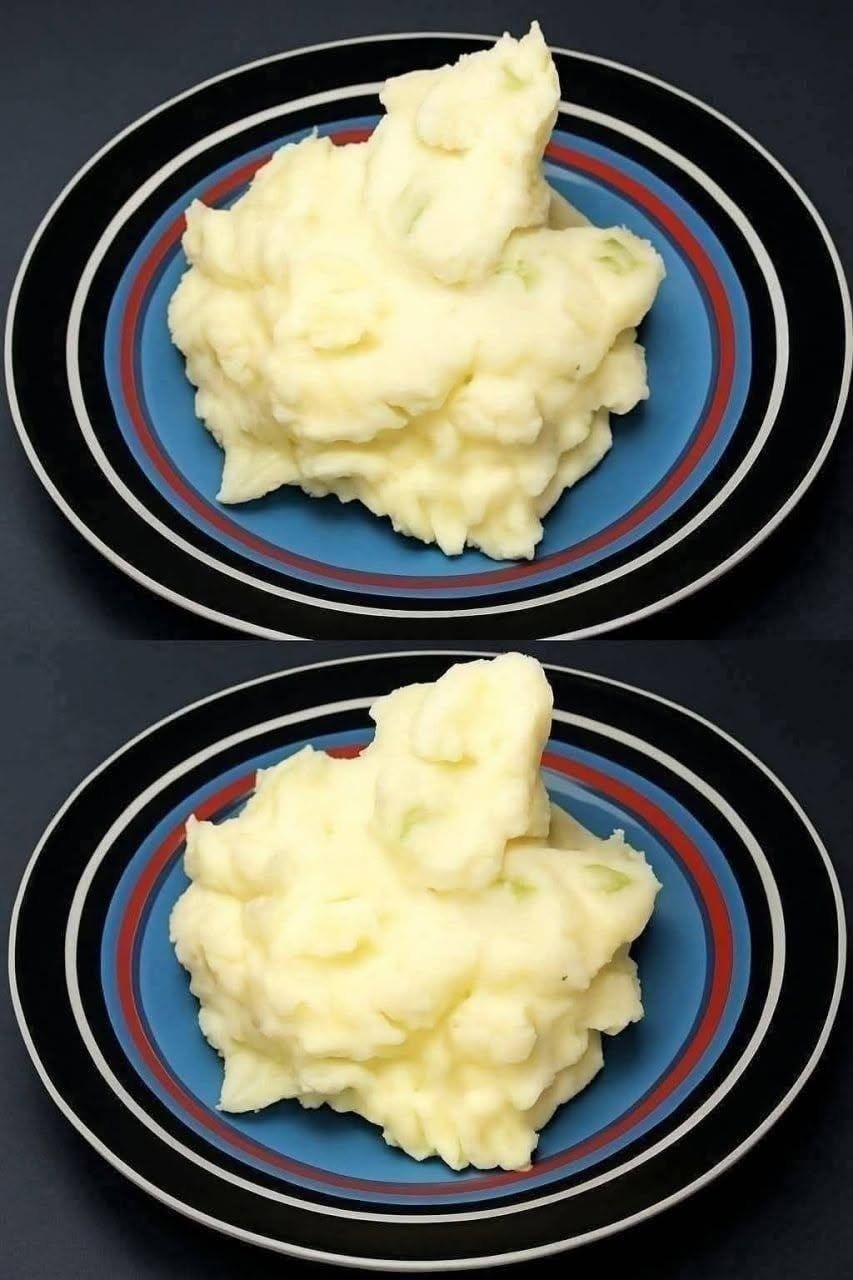
The Food Science: 3 Ways Boiling Ruins Your Mash
Boiling potatoes submerges starch granules in a liquid bath, leading to waterlogging, leaching of natural sugars, and a high risk of overmixing. Understanding the structural behavior of amylose starches shows why alternative cooking methods yield a vastly superior texture.
The Science Behind Waterlogging & Starch Rupture
-
Hydraulic Waterlogging: Potatoes consist of microscopic cells packed with starch granules. When boiled, cell walls stretch and break, allowing excess water to saturate the flesh. Upon mashing, this trapped water dilutes added cream and butter, resulting in a thin, soggy purée.
-
Nutrient & Sugar Leaching: Water acts as a solvent. Submerging potato cubes causes water-soluble minerals, natural sugars, and salts to dissolve into the cooking water, leaving a bland base behind.
-
The “Gluey” Overmixing Trap: Waterlogged potatoes require extra manipulation to smooth out lumpiness. However, high shear or aggressive overmixing ruptures delicate starch cells, releasing massive amounts of free amylose starch that bonds with liquid into a sticky paste reminiscent of glue.
Structural Comparison of Cooking Mediums
| Cooking Method | Moisture Retention | Starch Preservation | Flavor Impact |
| Boiling | High (Waterlogged) | Low (Leached into pot) | Diluted and bland |
| Steaming | Ideal (Vapor-cooked) | High (Intact cell walls) | Natural and clean |
| Baking | Low (Concentrated) | Maximum (Perfect gelation) | Deep, earthy, and rich |
For Complete Cooking STEPS Please Head On Over To Next Page Or Open button (>)
Candied Kielbasa Bites
Classic Vanilla Butter Cake with Buttermilk Sauce

If You Spot a Painted Purple Fence, This Is What It Means
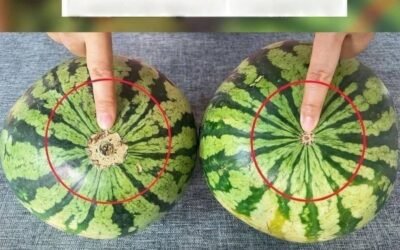
No more bland watermelons! Here’s a sure-fire visual guide to finding the sweetest fruit at the market.
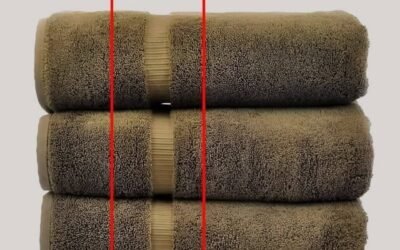
The Secret Code on Your Bath Towels: What Those Lines Actually Mean (And Why They Matter!)