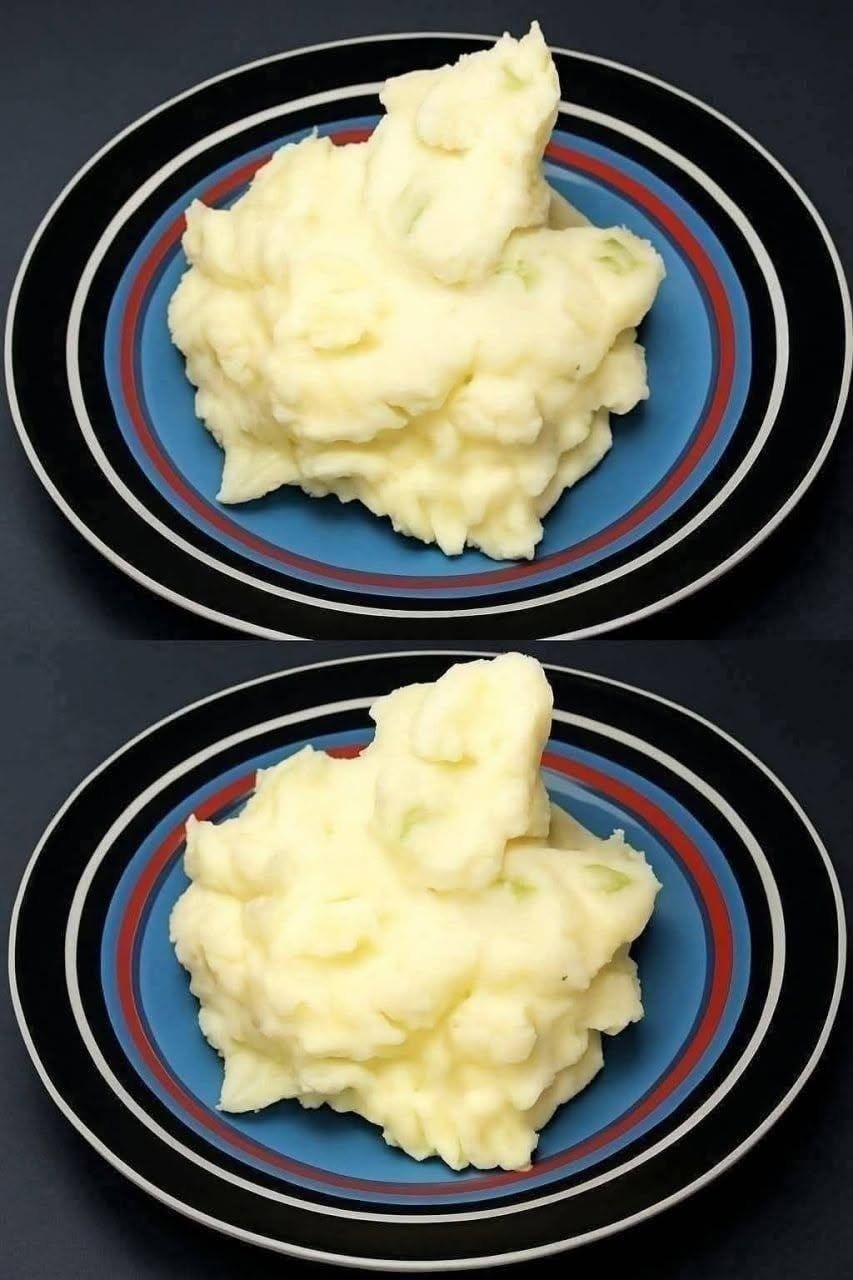
Two Superior Cooking Methods
Method 1: Steaming (For Clean, Flawless Creaminess)
Steaming uses the latent heat of water vapor rather than submerging the potatoes in a liquid bath, keeping cell walls intact.
Method 2: Oven Baking (For Deep, Concentrated Flavor)
Baking evaporates internal moisture and concentrates the potato’s natural flavors while preserving starch structure.
Pro Rules for Next-Level Fluffy Mash
-
Select Amylose-Rich Potatoes: Choose Yukon Gold or Russet potatoes. Avoid waxy varieties like Red Bliss or fingerlings, which have high moisture and low starch, making them prone to turning gummy.
-
Warm Your Dairy Components: Never add cold milk, cream, or butter straight from the refrigerator to hot potatoes. Cold liquids shock the hot starch granules, causing the mixture to tighten and seize. Warm butter and cream in a small saucepan prior to folding them in.
-
Deploy Low-Shear Tools: Never use a food processor or electric hand mixer. High-shear blades tear open starch cells and release free amylose, producing a gluey texture. Use a manual potato ricer or food mill to press potatoes into delicate, airy ribbons without damaging the starch matrix.
For Complete Cooking STEPS Please Head On Over To Next Page Or Open button (>)

Candied Kielbasa Bites

Classic Vanilla Butter Cake with Buttermilk Sauce

If You Spot a Painted Purple Fence, This Is What It Means
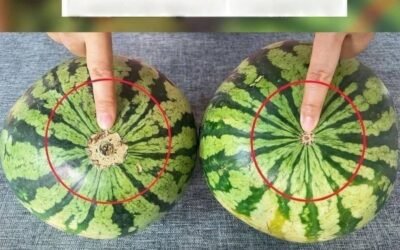
No more bland watermelons! Here’s a sure-fire visual guide to finding the sweetest fruit at the market.
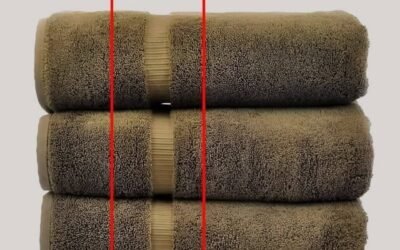
The Secret Code on Your Bath Towels: What Those Lines Actually Mean (And Why They Matter!)